EdinburghFringefrontcover1

ABOUT THE BOOK

Introduction

News: Fringe 2012

Fringe 2012 on Twitter

Author: Mark Fisher

Blog

Press area

Press coverage

Contact

Site map

CHAPTERS

The city and its festivals

The Fringe Office

The timing

The motivation

The show

The venue

The accommodation

The law

The marketing campaign

The media campaign

The awards

The show must go on

The next step

The money

The interviewees

mark@theatreSCOTLAND.com

Wednesday, January 18, 2012

The accommodation: your comments

Author Mark Fisher with a backdrop of Edinburgh Castle

Rooms for improvement

YOU'RE COMING to Edinburgh to perform, not to have a luxury holiday, but there's no escaping the fact that where you stay – and how much it costs – will have an impact on how comfortable you are and, in turn, how smoothly your show goes.

This chapter of The Edinburgh Fringe Survival Guide rounds up the kind of property that is available and the best way you can go about getting somewhere that suits you and your fellow company members.

Contributing tips to this chapter are Fringe experts including comedian Nick Doody, director Renny Krupinski and producer Chris Grady, as well as letting agent Chris Boisseau.

If you have comments about this chapter of The Edinburgh Fringe Survival Guide, please add them below.

The venue: your comments

Author Mark Fisher with a backdrop of Edinburgh Castle

Enter stage right

THIS IS the chapter of The Edinburgh Fringe Survival Guide that introduces the oddball collection of university halls, classrooms, Masonic lodges and back rooms in pubs that Edinburgh offers to anyone wanting to perform. 

It gives tips about location, financial deals, technical facilities, time slots and reputation, as well as a section about running your own venue. As usual, it is full of opinions by experienced Fringe hands.


If you have comments about this chapter of The Edinburgh Fringe Survival Guide, please add them below.

The show: your comments

Making a spectacle of yourself

THE EDINBURGH Festival Fringe is so amazingly big that there's room for just about any kind of performance you can conceive of. That's the good news. 

It's also true some things are a better fit than others. So this chapter of the The Edinburgh Fringe Survival Guide looks at the kind of things that do well and the kind of things that struggle. It also considers the different challenges facing different types of performance from amdram to stand-up, from children's shows to foreign-language theatre. 

Fringe luminaries including Assembly's William Burdett-Coutts, the Pleasance's Anthony Alderson, Underbelly's Charlie Wood, director Suzanne Andrade, playwright Ella Hickson, producer Dana MacLeod and comedian Ed Byrne are among those sharing their advice.

If you have comments about this chapter of The Edinburgh Fringe Survival Guide, please add them below.

The motivation: your comments

Getting in the right frame of mind

THIS IS the most important chapter in The Edinburgh Fringe Survival Guide. Get the motivation right and everything else you do will flow naturally. If you get it wrong – or simply don't understand it – then you're building problems for yourself from the start.

Helping explain what this means are expert voices including Kath Mainland, chief executive of the Edinburgh Festival Fringe Society, Kate McGrath, producer of Fuel, Toby Gough, international theatre director, Ella Hickson, Fringe First-winning playwright, Marlene Zwickler, artist manager and Nica Burns, director of the Edinburgh Comedy Awards.

Because of its fundamental importance, this is the chapter we will return to most often throughout the book.

If you have comments about this chapter of The Edinburgh Fringe Survival Guide, please add them below.

The timing: your comments

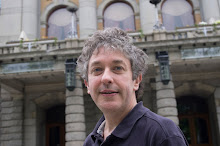
Author Mark Fisher outside the Fringe Office

Month by month through the Fringe year

THERE'S A lot to do when you're putting on a Fringe show. The Edinburgh Fringe Survival Guide can't tell you how to write and rehearse – that'd be a book in itself – but it does describe all the many other tasks on your plate. They can sound daunting, but there's plenty of time to do them all well as long as you plan carefully.

Before we go into detail in the rest of the book, this chapter outlines what you should be doing when, whether it's talking to venue managers or doing a last-minute marketing drive.

Offering advice are experienced hands such as venue managers William Burdett-Coutts and Anthony Alderson, tech specialist Nick Read, publicist Claire Walker, theatre critic Joyce McMillan, actor Anthony Black and producer Nica Burns.

If you have comments about this chapter of The Edinburgh Fringe Survival Guide, please add them below.
The Fringe Office: your comments

Author Mark Fisher in front of the Fringe shop

The festival nerve centre

IN THIS chapter of The Edinburgh Fringe Survival Guide we look at how the Edinburgh Festival Fringe Society came into being and how it functions today. We consider the paradox of an open-access festival that has an administration to look after it, and look at how the organisation copes with offering a service to Fringe participants without restricting what they do.

After giving a broad outline of the Fringe Office's services, the chapter introduces us to the key members of staff, including Kath Mainland, chief executive, Neil Mackinnon, head of external affairs, Miriam Attwood, former media manager, Christabel Anderson, head of participant services, Barry Church-Woods, venues and companies manager, Louise Oliver, participant development co-ordinator, and José Ferran, box office manager.

The chapter finishes with a consideration of what it might mean to go it alone and perform in Edinburgh without the assistance of the Fringe Society.

If you have comments about this chapter of The Edinburgh Fringe Survival Guide, please add them below.

The city and its festivals: your comments

Author Mark Fisher with a backdrop of Edinburgh Castle

Welcome to the greatest show on Earth

IN THIS chapter of The Edinburgh Fringe Survival Guide, we discover the incredible scale of the festivals that take over Edinburgh during August, not only the Edinburgh Festival Fringe itself, but several more besides. 

Fringe regulars such as New York director John Clancy, Montreal producer Sarah Rogers and Assembly boss William Burdett-Coutts explain what it feels like to stage a show in such an enormous event and how you start to get your head around it all.

We then go back in time to the origins of the world's biggest arts festival and take a look at how it grew to the thrilling event it is today. Comedian Ed Byrne talks about how compelling the Fringe is, while international directors such as Toby Gough emphasise its global importance.

After that, there's just time for a quick bit of orientation in the beautiful Scottish capital, then we're ready to go . . .

If you have comments about this chapter of The Edinburgh Fringe Survival Guide, please add them below.
© Mark Fisher 2012. Powered by Blogger.

About Me

My photo
Follow me on Twitter @MarkFFisher, @WriteAboutTheat and @LimelightXTC I am a freelance journalist and critic specialising in theatre and the arts. Publications I write for include the Guardian and the Scotsman. I am the author of The Edinburgh Fringe Survival Guide: how to make your show a success and How to Write About Theatre: A Manual for Critics, Students and Bloggers. I am also editor of The XTC Bumper Book of Fun for Boys and Girls: A Limelight Anthology and What Do You Call That Noise? An XTC Discovery Book. From 2000-2003, I was the editor of The List magazine, Glasgow and Edinburgh's arts and events guide.

Followers